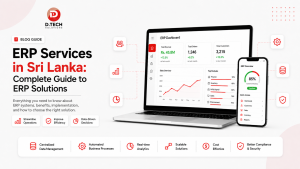
ERP Systems in Sri Lanka Powered by Odoo
ERP systems in Sri Lanka from D Tech help businesses connect finance, accounting, inventory, sales, purchasing, CRM, HR, manufacturing and reporting through Odoo ERP. We provide ERP consultation, implementation, customization, integrations, data migration, user training and ongoing technical support.
- Odoo ERP implementation
- Odoo module customization
- Data migration and integrations
- Training and local ERP support
What Are ERP Systems in Sri Lanka?
ERP systems in Sri Lanka help businesses manage finance, inventory, sales, purchasing, human resources, customer relationships and reporting within one integrated platform. ERP software centralizes these functions so authorized teams can work with consistent business information.
It helps authorized teams work with consistent business information, reduce repeated manual work and make informed decisions using current operational data.
D Tech mainly implements Odoo ERP solutions because its modular structure supports accounting, sales, CRM, inventory, purchasing, manufacturing, HR, projects and other business functions within one connected platform.
- One centralized business platform
- Connected departments and workflows
- Reduced duplicate data entry
- Current operational reporting
Odoo ERP Implementation in Sri Lanka
D Tech provides Odoo ERP implementation in Sri Lanka for businesses that need a connected platform tailored to their workflows, departments, user roles and reporting requirements. Odoo is the primary ERP platform delivered by D Tech.
Our Odoo ERP services include requirement analysis, module setup, customization, data migration, third-party integration, testing, user training, go-live assistance and ongoing technical support.
Learn more about the platform on the official Odoo website , or view D Tech's specialized Odoo ERP solutions .
- Odoo consultation and planning
- Odoo Community and Enterprise setup
- Module configuration and customization
- Existing data migration
- Website and third-party integrations
- User training and post-launch support
Business Challenges
ERP systems replace fragmented spreadsheets, duplicated records and disconnected software with a structured platform for managing daily operations.
Manual Processes
Reduce repetitive data entry, spreadsheet dependency and time-consuming approvals.
Disconnected Departments
Connect sales, finance, inventory, purchasing and HR through one platform.
Limited Business Visibility
Access current operational, financial and inventory information without delays.
Difficult Business Growth
Add users, branches, workflows and ERP modules as requirements expand.
How ERP Systems Help Your Business
A properly implemented ERP system connects information, users and workflows to support structured, measurable and scalable business operations.
Centralized Business Data
Manage approved operational information through one connected ERP environment.
Workflow Automation
Automate routine activities, notifications and approval processes.
Real-Time Reporting
View current finance, sales, inventory and operational reports.
Improved Data Accuracy
Reduce duplicate records and inconsistencies caused by disconnected systems.
Better Collaboration
Give authorized teams access to consistent business information.
Scalable Operations
Expand users, locations, modules and functionality as the organization grows.
ERP Modules for Integrated Business Management
These ERP systems can be configured with the modules required to manage core departments, operational workflows and business information.
Finance and Accounting
Manage financial records, invoices, payments, expenses, budgets and reporting.
Sales Management
Manage quotations, sales orders, customer records and sales performance.
Customer Relationship Management
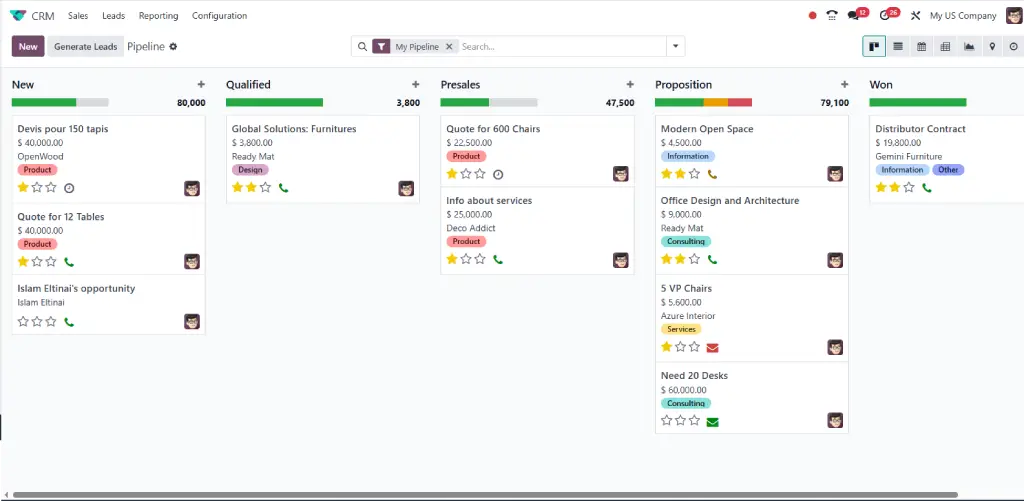
Organize leads, opportunities, communication and sales pipeline activities.
Inventory and Warehousing
Monitor stock levels, warehouse movements and product availability.
Purchasing and Procurement
Manage suppliers, purchase requests, orders, receipts and approvals.
Human Resources
Organize employee information, attendance, leave and HR workflows.
Project Management
Plan tasks, assign resources, track progress and manage project information.
Business Intelligence
Convert ERP information into dashboards, KPIs and management reports.
Our ERP Systems and Implementation Services
D Tech supports businesses from requirement analysis and ERP planning through implementation, training and ongoing system support.
Odoo ERP Consultation and Planning
Analyse processes, challenges, required Odoo modules and implementation priorities.
Odoo ERP System Implementation
Configure and deploy Odoo ERP based on approved workflows, users and business requirements.
ERP Customization
Customize modules, reports, permissions and workflows according to operational needs.
ERP Data Migration
Prepare, validate and migrate approved customer, product and financial information.
Third-Party Integrations
Connect supported websites, eCommerce platforms and business applications.
ERP User Training
Provide role-based training for approved modules, processes and responsibilities.
ERP Support and Maintenance
Deliver troubleshooting, updates, monitoring and continued ERP improvements.
ERP Systems in Sri Lanka
Plan cloud or server-based ERP deployment according to access, infrastructure, security, scalability and support requirements.
Our ERP Implementation Process
Our ERP systems follow a structured implementation process that validates requirements, reduces risk and prepares users before go-live.
Business Discovery
Understand objectives and current tools.
Requirement Analysis
Document modules and workflows.
Solution Design
Plan structure and integrations.
Configuration
Configure the approved ERP system.
Migration and Testing
Migrate data and test workflows.
Training and Go-Live
Train users and launch the system.
Ongoing Support
Provide support and improvements.
ERP Systems for Different Industries
ERP modules and workflows can be configured according to the operational needs of different business sectors.
Why Businesses Choose D Tech
Our ERP systems are matched to real business requirements instead of applying the same system structure to every organization.
- Local Business ConsultationDiscuss ERP requirements with a Sri Lankan technology team.
- Requirement-Based ERP PlanningSelect modules and workflows based on operational priorities.
- Customization and IntegrationConnect approved processes, reports and third-party systems.
- Training and Post-Launch SupportPrepare users and support the agreed ERP environment.
What Our Clients Say
Feedback from clients who have worked with D Tech for professional IT, software and business technology solutions.
Excellent service and professional support. The team was very helpful, responsive, and delivered the work with great attention to detail.
Very reliable and friendly service. They understood our requirements clearly and provided a smooth experience from start to finish.
We are happy with the overall quality of work. The communication was clear, and the final outcome matched our expectations.
ERP System Cost in Sri Lanka
The cost of ERP systems in Sri Lanka depends on the number of users, required modules, customization level, data migration, third-party integrations, hosting requirements, training and ongoing support. D Tech provides a tailored quotation after analysing the scope.
Frequently Asked Questions
Find direct answers about ERP software, implementation, pricing, customization, migration, integrations and support.
What is an ERP system?
An ERP system is integrated business management software that connects finance, sales, inventory, purchasing, HR, CRM and reporting within one centralized platform.
What business functions can an ERP system manage?
Depending on the selected modules, an ERP system can manage accounting, sales, customer relationships, inventory, warehousing, procurement, employee information, projects and management reporting.
How much does an ERP system cost in Sri Lanka?
ERP costs depend on users, modules, customization, data migration, integrations, hosting, training and support. A quotation is prepared after analysing the business and technical scope.
How long does ERP implementation take?
The implementation period depends on modules, workflow complexity, customization, data readiness, integrations, testing and user training.
Can an ERP system be customized?
Yes. Modules, workflows, reports, user permissions and integrations can be customized according to the selected ERP platform and approved business requirements.
Can existing business data be migrated?
Yes. Approved customer, supplier, product, inventory, financial and operational information can be prepared, validated and migrated based on the agreed migration scope.
Can an ERP system integrate with other software?
ERP systems can integrate with supported websites, eCommerce platforms, payment services, CRM tools, business applications and approved third-party APIs.
Does D Tech provide cloud ERP solutions?
D Tech provides cloud ERP planning and implementation based on the selected platform, access requirements, infrastructure scope, security needs and support plan.
Is ERP training provided for employees?
Role-based ERP training is provided for relevant users so they understand approved modules, workflows, access levels and daily system responsibilities.
What ERP systems in Sri Lanka does D Tech provide?
D Tech provides ERP systems in Sri Lanka primarily through Odoo ERP. Services include consultation, implementation, module configuration, customization, data migration, integrations, employee training and ongoing technical support.
Does D Tech provide Odoo ERP implementation in Sri Lanka?
Yes. Odoo is D Tech's primary ERP platform. We provide Odoo consultation, implementation, module configuration, customization, data migration, integrations, training and ongoing support for businesses in Sri Lanka.
Which Odoo modules can D Tech implement?
D Tech can implement Odoo modules such as Accounting, Sales, CRM, Inventory, Purchase, Manufacturing, Human Resources, Project Management, Website and other compatible modules based on the approved business requirements.
What support is available after ERP implementation?
Post-implementation support can include troubleshooting, monitoring, updates, user guidance, system adjustments and future module improvements according to the agreed support plan.
Build a More Connected Business with the Right ERP System
Discuss your business processes, required modules, integrations and implementation goals with the D Tech ERP systems team.