
How to Choose the Best Web Design Company in Sri Lanka: 12 Technical Factors to Check
A visually attractive website is not enough. Before hiring a web design company in Sri Lanka, evaluate its approach to performance, technical SEO, mobile usability, security, accessibility, analytics and long-term scalability.
The best web design company in Sri Lanka should be able to demonstrate more than creative design. It should plan a scalable website architecture, build mobile-first interfaces, optimize Core Web Vitals, create a crawlable SEO foundation, implement secure development practices, configure analytics and provide clear ownership and post-launch support.
Websites and Platforms Built Around Real Business Requirements
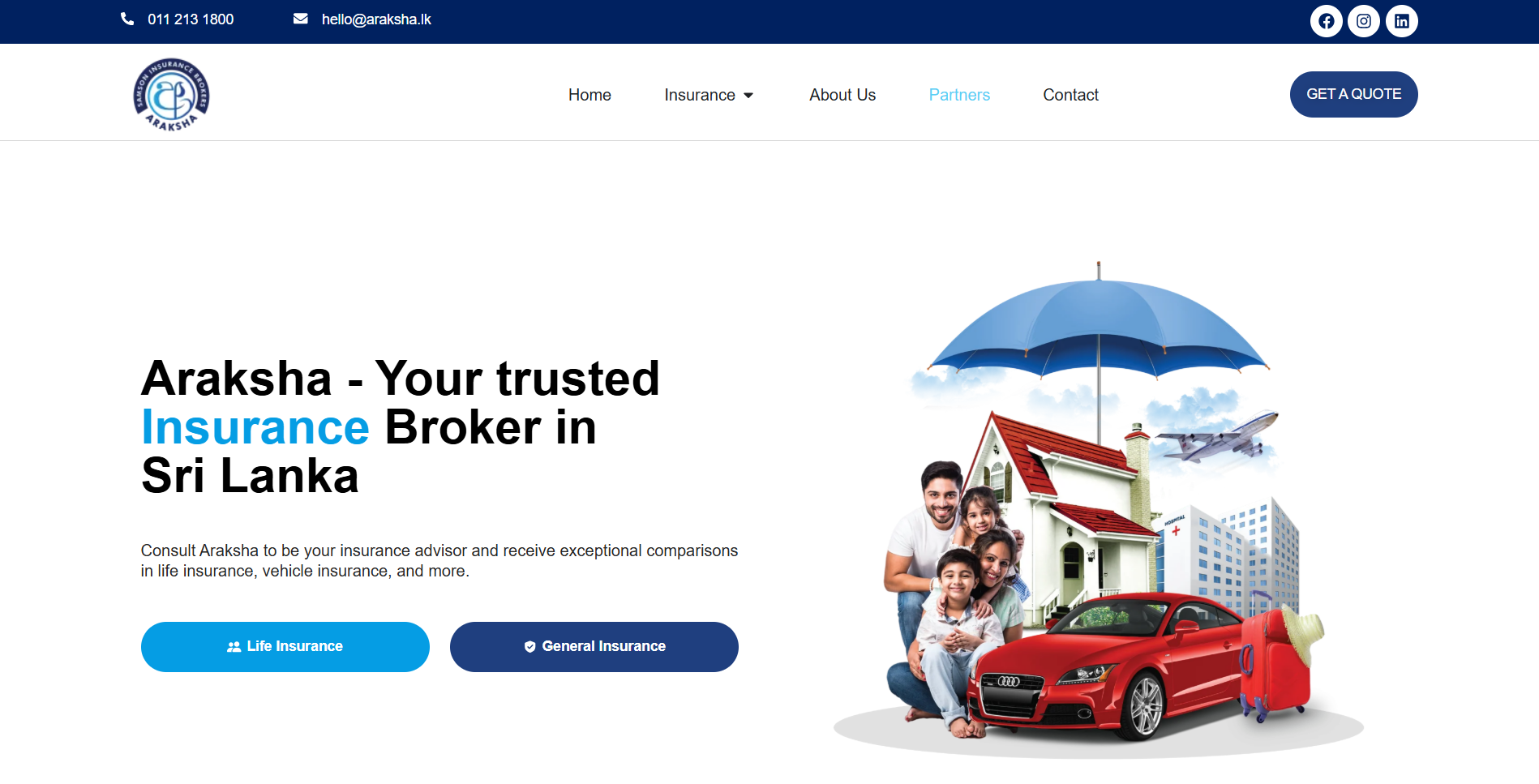
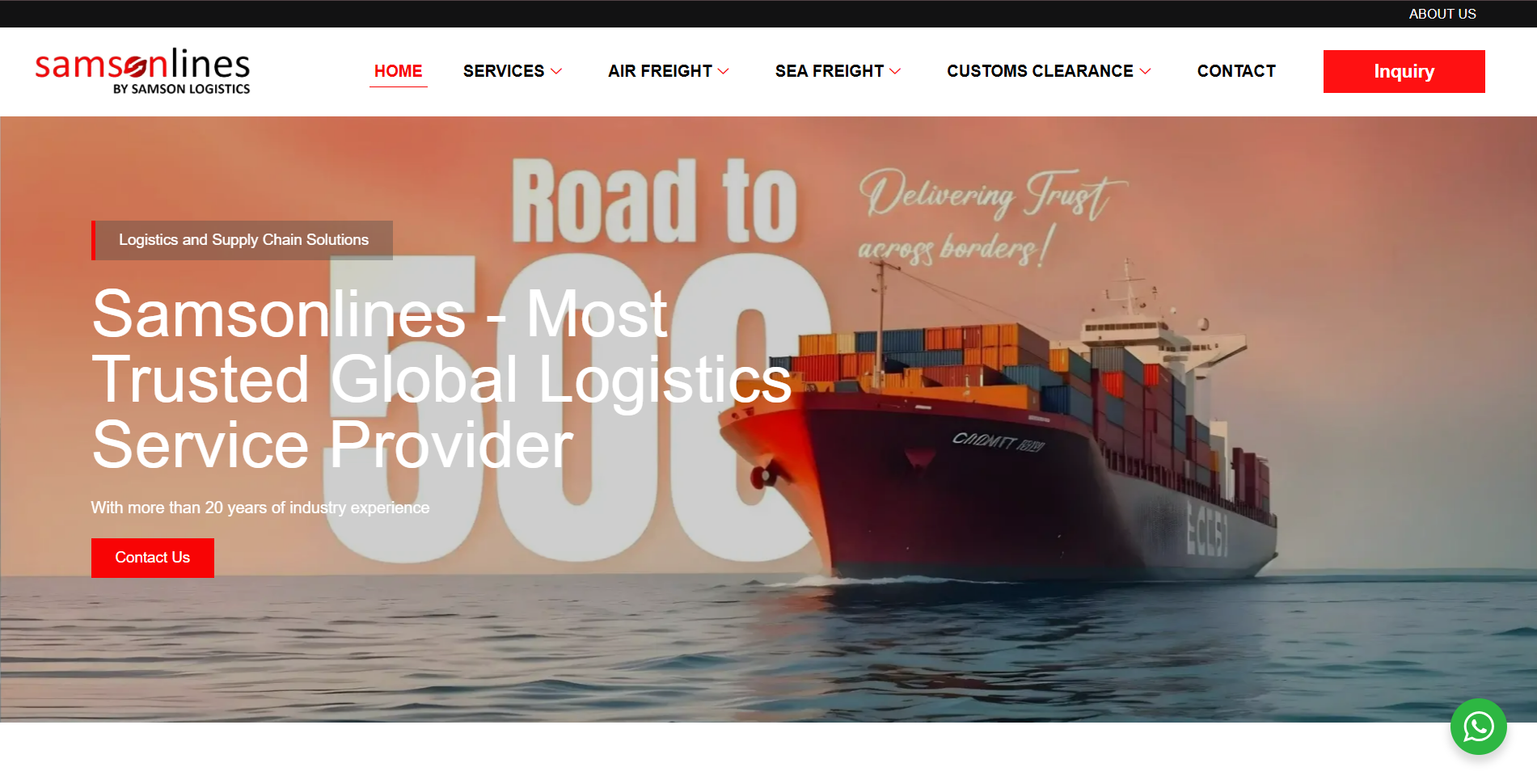
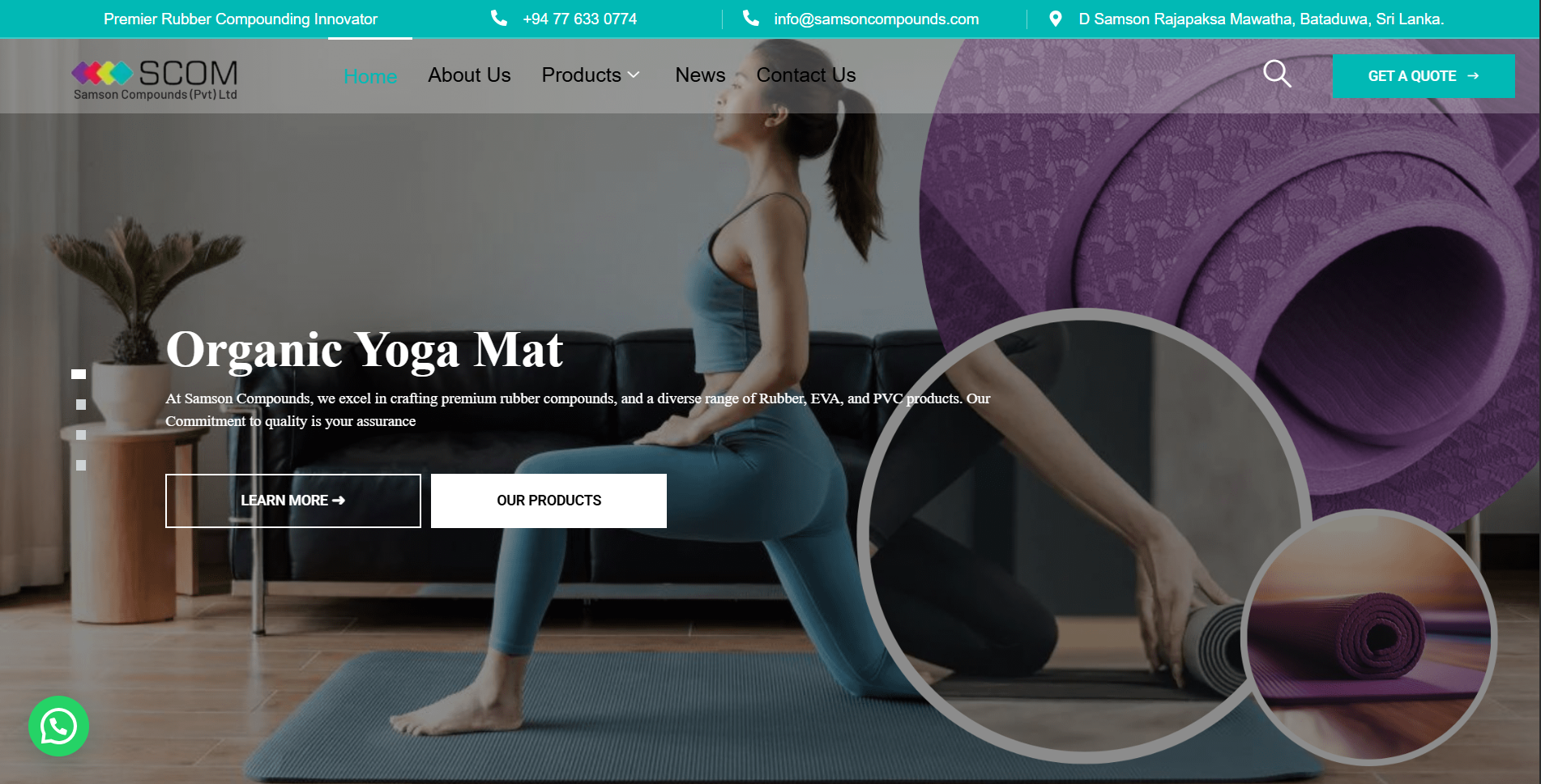
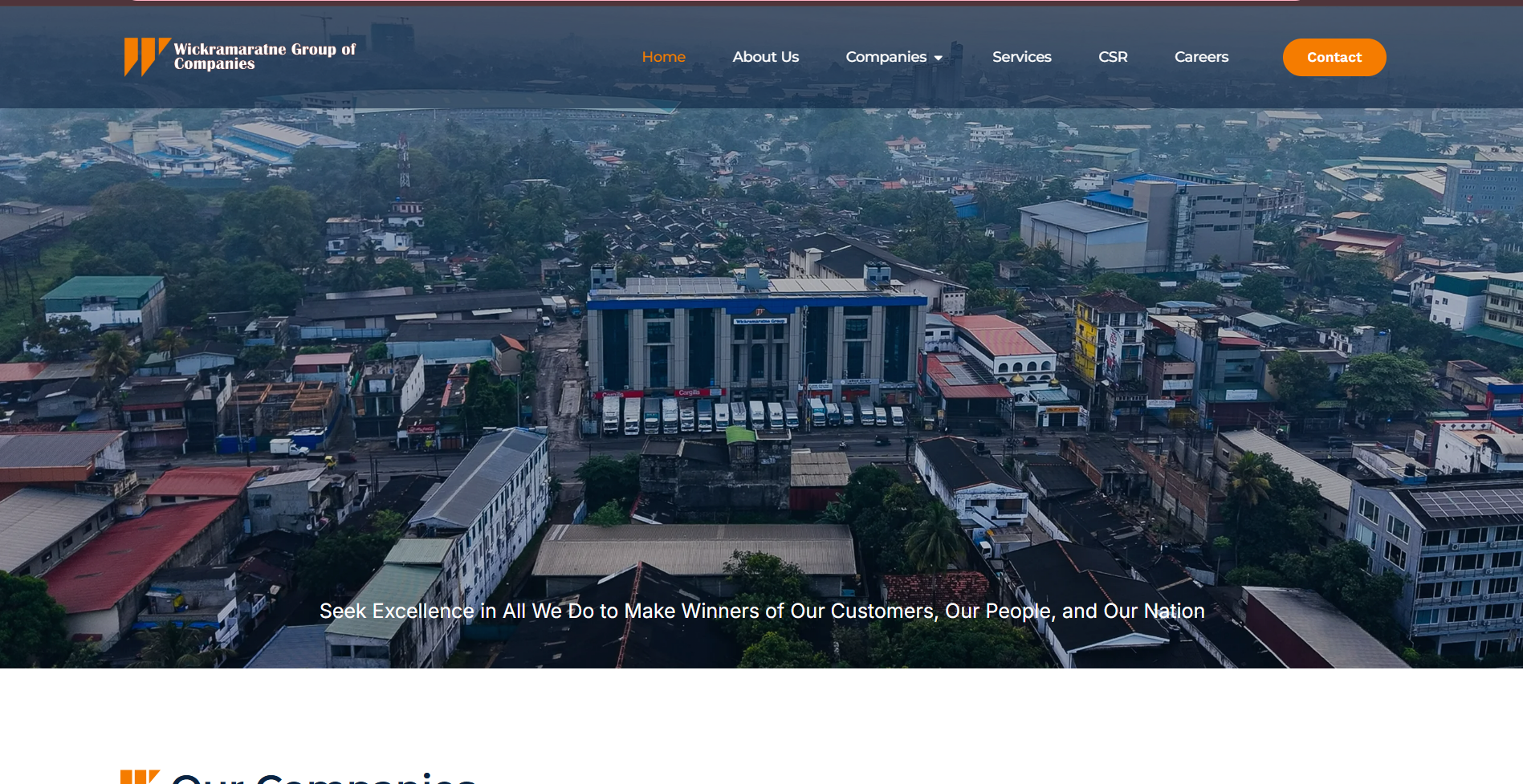
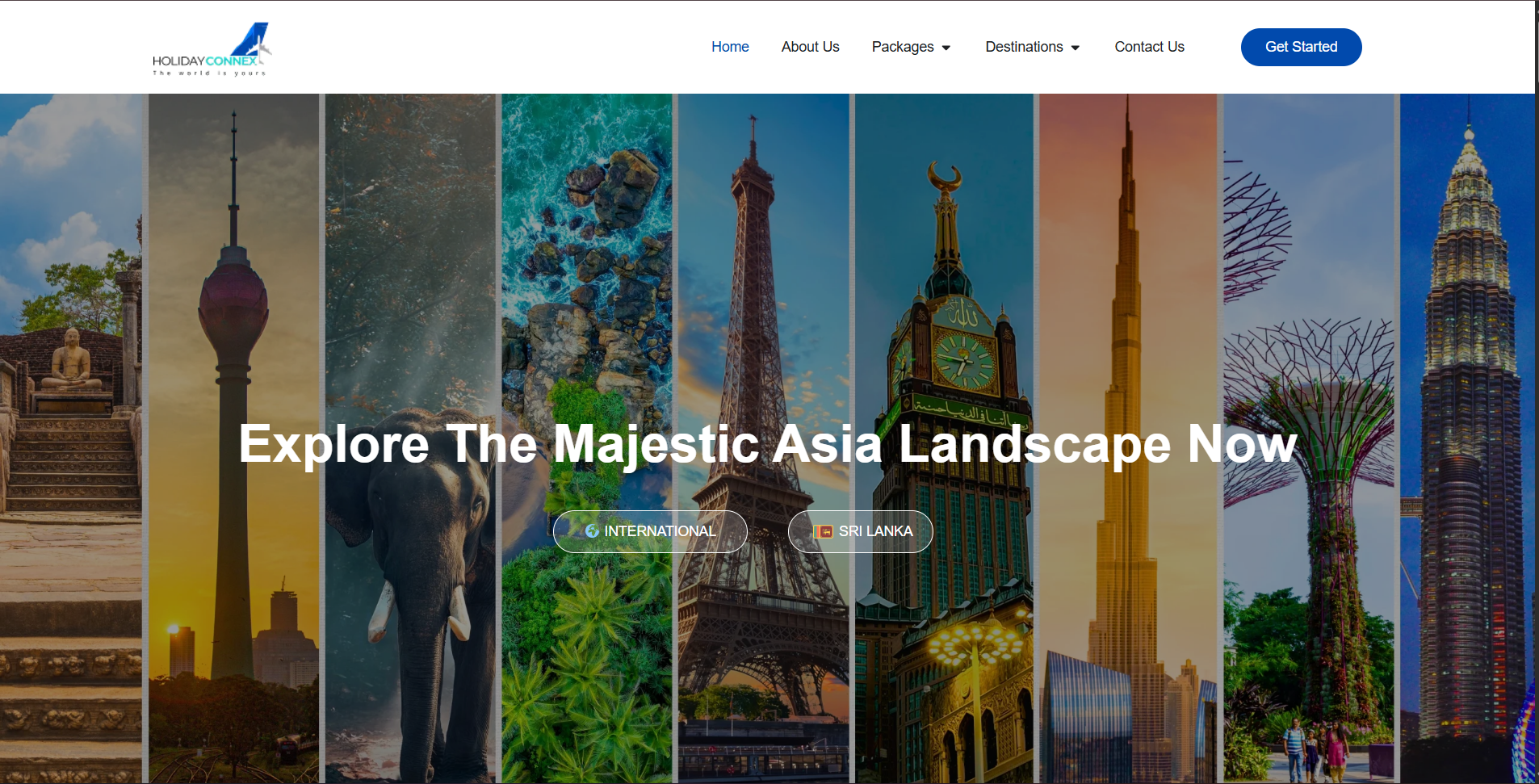
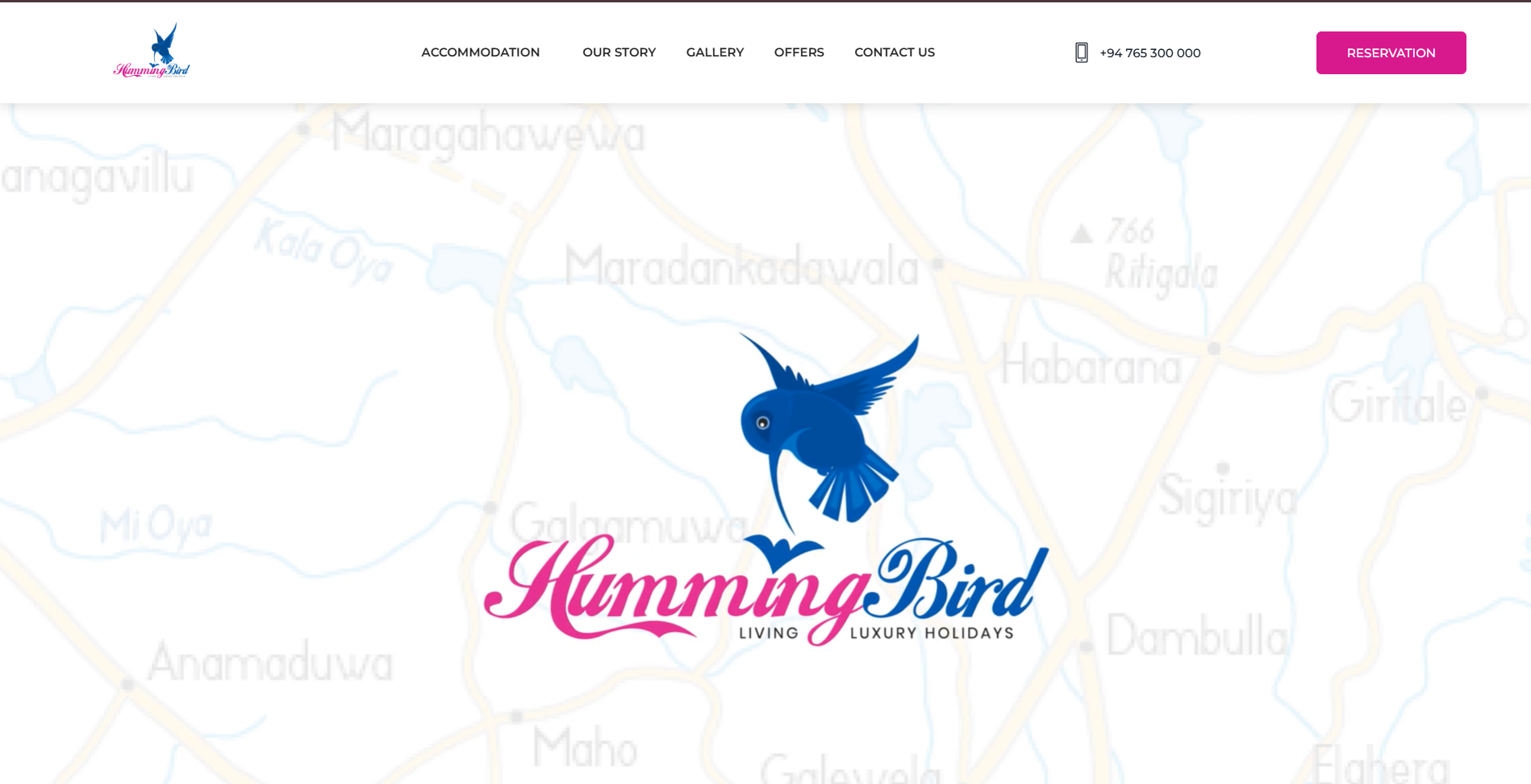
A selected overview of D Tech website, platform and digital experience work across hospitality, corporate, automotive, news and travel sectors.
Why should you evaluate a web design company in Sri Lanka technically?
Choosing a web design company in Sri Lanka based only on visual design can be risky. Visual design is only one part of a successful website. A website can look modern and still load slowly, perform poorly on mobile, block search-engine crawling, expose security risks or fail to track enquiries.
For a Sri Lankan business investing in a new website, these weaknesses can reduce search visibility, waste advertising traffic and create expensive redevelopment work later. A capable web design company should therefore connect creative design with development quality, search readiness, infrastructure, measurement and ongoing support.
A professional website should be attractive to users, understandable to search engines, measurable for the business and maintainable by the technical team.
Design-only evaluation
- Looks mainly at colours and animations
- Chooses the lowest quotation
- Does not discuss crawling or indexing
- Ignores hosting and maintenance
- Launches without conversion tracking
Technical business evaluation
- Reviews business goals and user journeys
- Tests speed, mobile usability and accessibility
- Plans technical SEO before development
- Defines security, backups and ownership
- Measures enquiries and business outcomes
What technical factors should you check before choosing a web design company in Sri Lanka?
Before selecting a web design company in Sri Lanka, check its ability to manage the complete website lifecycle: planning, architecture, responsive development, performance, SEO, security, hosting, accessibility, analytics, integrations, ownership and post-launch maintenance.
Architecture and stack
Confirm that the platform and structure match current requirements and future growth.
Mobile-first UX
Review content parity, navigation, touch targets and real-device usability.
Core Web Vitals
Check loading speed, responsiveness and visual stability using field and lab data.
Technical SEO
Ensure pages are crawlable, indexable and structured with clean URLs and internal links.
Schema and entities
Use accurate structured data and consistent brand, service and location information.
Secure development
Review HTTPS, access control, validation, updates, backups and security monitoring.
Hosting and CDN
Assess server resources, caching, CDN delivery, uptime and recovery procedures.
Clean, efficient code
Avoid excessive plugins, unused scripts, oversized assets and fragile page structures.
Accessibility
Check keyboard access, contrast, labels, alt text and semantic page structure.
Analytics and leads
Track forms, calls, WhatsApp clicks and other actions connected to business goals.
Integrations and scale
Plan for CRM, ERP, payments, multilingual content, APIs and future digital services.
Ownership and support
Clarify domain, hosting, code, licences, backups, credentials and support responsibilities.
Does the company plan the website architecture and technology stack correctly?
A capable web design company in Sri Lanka should select the technology stack after understanding the website’s purpose, content model, administration needs, integrations, traffic expectations and future roadmap. The platform should support the business instead of forcing the business into a convenient template.
WordPress may be suitable for many corporate, service and content-led websites. Laravel, Node.js, Next.js or another custom architecture may be more appropriate when the project requires advanced workflows, portals, APIs, complex permissions or application-level functionality.
Questions to ask
- Why is this platform recommended for our project?
- Can the website support new pages, languages and integrations later?
- How will content types, menus, URLs and internal links be organised?
- Will non-technical staff be able to update approved content safely?
- What dependencies, licences and renewal costs will the platform require?
D Tech begins with business requirements, user journeys, content structure and integration needs before confirming the CMS or development framework. This reduces unnecessary complexity while protecting scalability.
Is the website developed with a mobile-first responsive approach?
A mobile-first website is planned for smaller screens, touch interaction and mobile network conditions before being expanded for tablets and desktops. It is not simply a desktop layout that shrinks to fit a phone.
Google uses the mobile version of a website’s content for indexing and ranking. A professional web design company in Sri Lanka should therefore keep important text, links, headings, structured data and images available and consistent on mobile.
What should be tested on real devices?
- Menu usability and clear navigation
- Readable text without zooming
- Buttons and links with usable touch areas
- Forms that are easy to complete on mobile
- Images and videos that do not overflow the screen
- WhatsApp, call and enquiry actions that work correctly
- Content parity between mobile and desktop versions
Official reference: Google Mobile-First Indexing Best Practices .
Can the company optimize Core Web Vitals and page performance?
A professional web design company in Sri Lanka should measure and improve loading performance, interaction responsiveness and visual stability. Core Web Vitals provide a practical framework for evaluating these areas using Largest Contentful Paint, Interaction to Next Paint and Cumulative Layout Shift.
Performance work should include
- Correctly sized and compressed WebP or AVIF images where supported
- Prioritisation of the main above-the-fold image or content
- Reduced unused CSS and unnecessary JavaScript
- Deferred or carefully controlled third-party scripts
- Font loading optimisation and layout-shift prevention
- Server caching, page caching and CDN configuration
- Testing with PageSpeed Insights and real-user field data
A perfect laboratory score is not the only objective. The company should improve real user experience while preserving essential design, tracking and business functionality.
Official reference: Web Vitals guidance from web.dev .
Need a fast, secure and SEO-ready business website?
D Tech combines UI/UX design, responsive development, performance optimisation, technical SEO and conversion-focused contact paths in one website development process.
Does the company build a strong technical SEO foundation?
Technical SEO helps search engines discover, crawl, render, understand and index the correct pages. It should be considered during planning and development rather than treated as an optional plugin after launch.
A capable web design company in Sri Lanka should plan technical SEO before development, so page structure, URLs, internal links, indexation controls and redirects are ready before launch.
Technical SEO requirements to review
- Logical, descriptive and permanent URL structure
- One clear H1 and a meaningful H2/H3 hierarchy
- Crawlable HTML links and organised internal linking
- XML sitemap and appropriate robots.txt rules
- Canonical URLs and duplicate-content controls
- Correct 301 redirects for changed or removed URLs
- Index and noindex controls for the correct page types
- Useful title tags, meta descriptions and image alt text
- Search-friendly JavaScript implementation where applicable
- Google Search Console verification and post-launch monitoring
A web design company should also protect existing rankings during a redesign by mapping old URLs, preserving valuable content and testing redirects before the new website goes live.
D Tech plans page hierarchy, service-page intent, headings, internal links, crawlability, indexation and redirects together with the design and development work.
Official reference: Google SEO Starter Guide .
Can the company implement structured data and clear entity signals?
A technically capable web design company in Sri Lanka should use structured data only when it accurately represents visible page content. Structured data helps search engines interpret eligible information using a standard vocabulary, while entity signals clarify the relationship between the business, brand, services, location, authors and website.
Useful structured data may include
- Organization or LocalBusiness information where appropriate
- Service markup for clearly defined service pages
- BreadcrumbList for navigational context
- Article or BlogPosting for editorial content
- Product markup for eligible product pages
- FAQ content structured accurately when applicable
Structured data must match the visible content. It should not be used to make claims, ratings or services that users cannot verify on the page. The implementation should also avoid duplicate schema generated by multiple plugins, themes and manually inserted code.
What helps AEO, GEO and AI visibility?
Clear answers, accurate facts, strong page structure, expert-led explanations, consistent business information, crawlable content and a technically sound website are more valuable than unsupported “AI SEO hacks”. Google’s current guidance states that foundational SEO and useful, original content remain relevant for generative AI search.
Official reference: Google’s guide to generative AI search optimisation .
Does the company follow secure website development practices?
A reliable web design company in Sri Lanka should treat website security as more than installing an SSL certificate. A secure implementation should protect data in transit, reduce unauthorised access, validate user input, keep dependencies updated and provide reliable recovery procedures.
Security controls to discuss
- Valid HTTPS configuration with secure redirects
- Strong administrator authentication and least-privilege access
- Secure form handling, validation and spam protection
- Framework, theme and plugin update procedures
- Web application firewall and malware monitoring where required
- Automated backups stored separately from the live website
- Restore testing and incident-response responsibilities
- Protection of API keys, credentials and environment files
- Security review before launch and after major changes
Ask who is responsible for security updates after launch. A website can be secure on launch day and become vulnerable later if maintenance responsibilities are unclear.
Official reference: OWASP Top 10: 2025 .
Does the company plan hosting, caching, CDN and recovery correctly?
When evaluating a web design company in Sri Lanka, ask how it plans hosting, caching, CDN delivery and recovery. Hosting affects speed, reliability, security and the website’s ability to handle traffic. The correct solution depends on the platform, audience location, database requirements, expected traffic and business-critical features.
Infrastructure questions to ask
- What server resources are included and can they be scaled?
- Where is the server located relative to the target audience?
- Are full-page, browser and object caching configured correctly?
- Will a CDN be used for static assets and global delivery?
- What uptime monitoring and alerting are available?
- How frequently are backups created and how long are they retained?
- How quickly can the website be restored after a failure?
- Who controls the hosting account and DNS records?
D Tech evaluates hosting, caching, CDN, backup and monitoring requirements as part of the website architecture, rather than treating infrastructure as an unrelated purchase after development.
Does the website use clean, efficient and maintainable code?
Clean code reduces technical debt and makes the website easier to maintain, debug and extend. The exact implementation differs between page builders, CMS platforms and custom frameworks, but the company should still control unnecessary complexity.
Common performance and maintenance problems
- Installing many plugins for features that could be implemented more efficiently
- Loading large JavaScript libraries on pages that do not use them
- Using oversized images and auto-playing media
- Creating deeply nested page-builder structures
- Using duplicated CSS and inconsistent reusable components
- Adding animations that trigger layout shifts or block interaction
- Depending on unsupported themes, plugins or packages
Ask how updates will be tested and whether a staging environment will be used before changes are applied to the live website. A maintainable website should have documented dependencies, controlled access and a safe release process.
Does the design support accessibility and practical usability?
A responsible web design company in Sri Lanka should consider accessibility during design and development. Accessible design helps more people perceive, understand and operate a website, while also improving navigation, forms, content structure and interaction for the broader audience.
Accessibility checks should include
- Keyboard-accessible navigation and interactive controls
- Visible focus indicators
- Readable text and sufficient colour contrast
- Meaningful labels and instructions for form fields
- Descriptive alternative text for informative images
- Semantic headings, landmarks, buttons and links
- Captions or alternatives for important audio and video content
- Controls for distracting movement or auto-playing content
WCAG 2.2 organises accessibility guidance around content being perceivable, operable, understandable and robust. A web design company should understand these principles even when a full formal compliance audit is outside the project scope.
Official reference: W3C Web Content Accessibility Guidelines overview .
Will the company configure analytics and conversion tracking?
A business-focused web design company in Sri Lanka should configure measurement for the actions that indicate real customer interest. Page views alone do not show whether the website is generating enquiries or supporting marketing campaigns.
Useful actions to track
- Contact-form submissions
- Quote-request completions
- WhatsApp button clicks
- Phone-number clicks on mobile
- Email-link clicks
- Brochure or document downloads
- Booking or checkout completion
- Important errors and abandoned forms where practical
The implementation may include Google Analytics 4, Google Tag Manager and Google Search Console, together with consent controls appropriate to the website’s legal and business requirements. Tracking should be tested before launch so the business does not lose valuable data.
D Tech plans calls-to-action and enquiry paths together with measurement requirements, helping businesses understand which pages and channels contribute to leads.
Official reference: Google Analytics 4 developer documentation .
Can the website support integrations and future growth?
A scalable website should allow the business to add new content, services, languages, customer workflows and integrations without rebuilding the entire platform.
Possible future requirements
- CRM or ERP integration
- Payment gateway and eCommerce functionality
- Online booking or appointment systems
- Customer, supplier or employee portals
- WhatsApp and email automation
- Multilingual content and translation workflows
- Third-party APIs and mobile applications
- AI chatbot, recommendation or support features
- Higher traffic, more editors and advanced permissions
The company should not promise unlimited scalability without understanding the architecture. Instead, it should explain which future changes are straightforward, which require additional infrastructure and which may need a different application architecture.
Are ownership, maintenance and technical support clearly defined?
Before signing with a web design company in Sri Lanka, confirm who owns and controls every critical website asset. Unclear ownership can delay future updates, domain renewals, migrations and emergency recovery.
Ownership and handover checklist
- The domain is registered under the business or an authorised owner
- The business receives hosting, DNS and website administrator access
- Source code or project files are handed over according to the agreement
- Premium theme, plugin and software licences are documented
- Backup locations and restoration procedures are explained
- Third-party accounts are created under appropriate business ownership
- Maintenance inclusions, exclusions and response times are written clearly
- Renewal costs and recurring subscriptions are disclosed
Professional support is not only about fixing errors. It includes safe updates, monitoring, backups, performance reviews and technical guidance as the business grows.
Technical scorecard for comparing web design companies in Sri Lanka
Use this scorecard during proposals or technical meetings. Ask each company for evidence, examples or a clear explanation instead of accepting a simple “yes”.
| Area | What a strong provider should explain | Evidence to request | Warning sign |
|---|---|---|---|
| Architecture | Why the selected CMS or framework fits the project | Architecture outline or comparable project | “We use the same template for every project.” |
| Mobile UX | Responsive behaviour, content parity and device testing | Live mobile examples and testing process | Only a desktop mock-up is available |
| Performance | Image, code, font, caching and Core Web Vitals plan | Performance report from a live project | Promises a score without testing scope |
| Technical SEO | URLs, headings, crawlability, sitemap, canonicals and redirects | SEO launch checklist or migration process | “Installing an SEO plugin is enough.” |
| Security | Updates, access, validation, monitoring, backup and recovery | Maintenance plan and backup procedure | No post-launch security responsibility |
| Analytics | Events connected to enquiries and business goals | Tracking plan and test procedure | Only page-view tracking is included |
| Ownership | Access, licences, source files, accounts and renewal costs | Written handover and ownership terms | The provider retains all critical access |
What are the red flags when hiring a web design company?
Major red flags include unclear ownership, unsupported performance promises, no technical SEO process, excessive dependence on plugins, weak security planning and proposals that focus only on the number of pages.
No discovery process
The company quotes immediately without understanding goals, users, content or integrations.
Guaranteed rankings
The company guarantees a specific Google position instead of explaining controllable SEO work.
Unclear ownership
The domain, hosting, source files or premium licences remain under undisclosed third-party control.
No staging or backups
Updates are made directly on the live website without a safe testing and recovery process.
Design without measurement
The proposal has no plan for analytics, enquiry tracking or post-launch improvement.
No maintenance scope
The provider does not explain updates, monitoring, response times or recurring costs.
Why choose D Tech as your web design company in Sri Lanka?
D Tech provides the technical capabilities businesses should expect from a professional web design company in Sri Lanka. Each project is treated as a business and technology solution that connects business goals, user experience, development architecture, SEO readiness, performance, security, analytics and future integrations.
As a web development and IT solutions company in Sri Lanka, D Tech can evaluate the wider technical environment around a website, including hosting, cloud services, cybersecurity, business systems, APIs and ongoing support. This helps businesses plan a website that can operate as part of a long-term digital ecosystem.
Discovery and requirements
We review business goals, users, services, content, competitors and required integrations.
Information architecture
We organise pages, navigation, service intent, content hierarchy and conversion paths.
UI/UX and responsive design
We create professional interfaces designed for usability, brand trust and mobile interaction.
Technical development
We build using an appropriate CMS or framework with maintainability and scalability considered.
SEO and performance
We review crawlability, headings, URLs, internal links, page speed and Core Web Vitals.
Security and infrastructure
We consider HTTPS, access, backups, hosting, caching, CDN and ongoing updates.
Tracking and launch testing
We test devices, forms, links, analytics events, indexing controls and launch readiness.
Support and improvement
We provide technical guidance for maintenance, new content, integrations and future growth.
Business-focused outcomes
We design contact paths around calls, forms, WhatsApp enquiries and measurable user actions.
D Tech does not evaluate a website only by how it looks. We evaluate whether it is usable, technically sound, searchable, secure, measurable and ready to support business growth.
Useful resources for evaluating website quality
These official resources help business owners and technical teams review the main standards discussed in this guide.
Choose a web partner that understands both design and technology
Looking for a technically capable web design company in Sri Lanka? D Tech provides professional web development services for businesses that need responsive design, technical SEO, performance, security, analytics and scalable integrations.
Frequently Asked Questions
How do I choose the best web design company in Sri Lanka?
Choose a company that can explain its process for business discovery, responsive UI/UX, website architecture, Core Web Vitals, technical SEO, security, analytics, ownership and post-launch support. Review live work and request evidence instead of relying only on visual mock-ups.
What is the difference between web design and web development?
Web design focuses mainly on layout, visual presentation and user experience. Web development converts the design into a functioning website and includes frontend, backend, CMS, database, integrations, performance and technical implementation.
Why are Core Web Vitals important when choosing a website company?
Core Web Vitals measure loading performance, interaction responsiveness and visual stability. They help identify whether a website provides a good real-world user experience, particularly on mobile devices and slower connections.
Should technical SEO be included during website development?
Yes. URL structure, crawlability, headings, internal links, canonicals, sitemaps, redirects and indexation controls should be planned during development. Correcting the foundation after launch can require additional work and may risk existing visibility.
Is an SSL certificate enough to make a website secure?
No. SSL protects data in transit, but website security also requires secure access, input validation, software updates, backups, monitoring, dependency management and appropriate protection for forms, APIs and administrator accounts.
What analytics should a business website track?
A business website should track actions connected to outcomes, including form submissions, quote requests, WhatsApp clicks, phone calls, email clicks, bookings, purchases and important downloads.
How can a website be prepared for AI search and answer engines?
Build a crawlable technical foundation, publish original expert-led content, answer real user questions clearly, use accurate structured data where relevant, maintain consistent business information and follow established SEO practices.
Who should own the domain and hosting account?
The business should own or have authorised administrative control over its domain, hosting, DNS, analytics and other critical accounts. The development company can manage them under an agreement, but ownership and access should be documented clearly.
Does every business website need a custom-coded platform?
No. Many businesses can use a well-planned CMS such as WordPress. Custom development is more appropriate when the project requires specialised workflows, complex permissions, unique integrations or application-level functionality.
Why choose D Tech for web design and development in Sri Lanka?
D Tech combines business-focused planning, UI/UX design, responsive development, technical SEO, performance optimisation, security, analytics and scalable integration planning to build professional websites for Sri Lankan businesses.